The full story
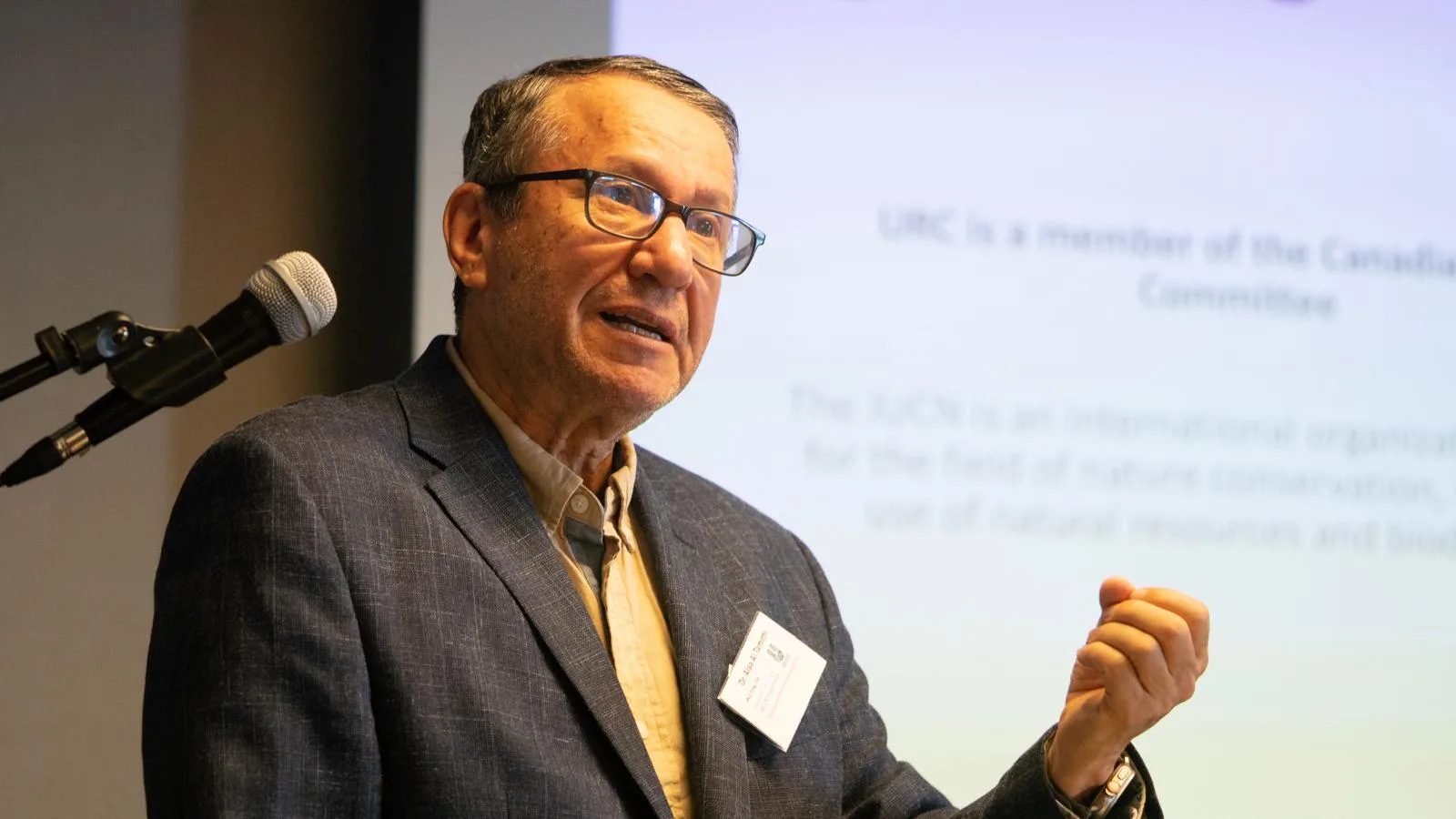
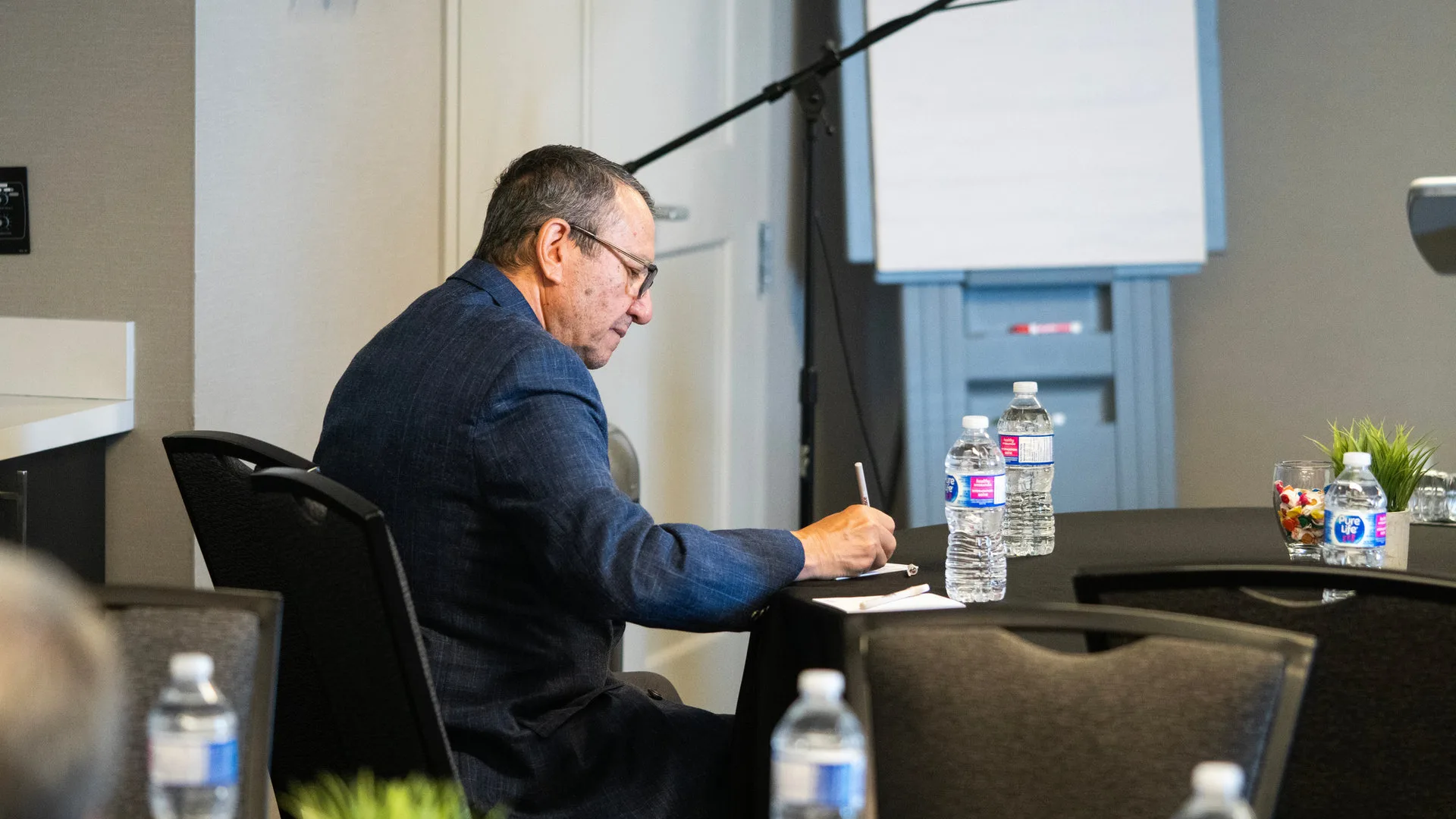
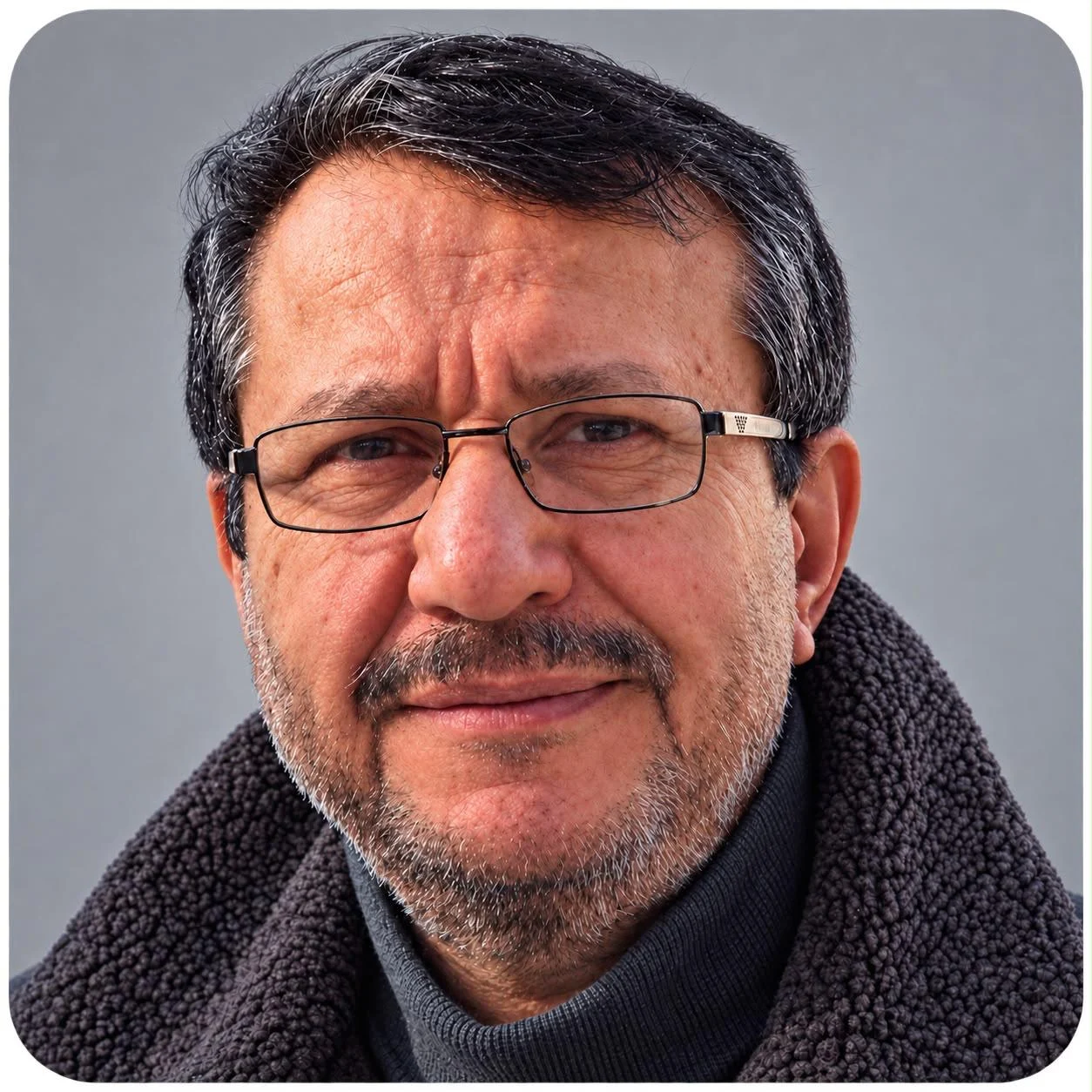
Dr. Alaa Mahmoud Al Tamimi was born in Iraq in 1952. His early life and education developed within a society undergoing significant political, social, and urban change. From an early stage, he became interested not only in how structures are designed and built, but also in how cities influence the lives, identities, and relationships of the people who inhabit them.
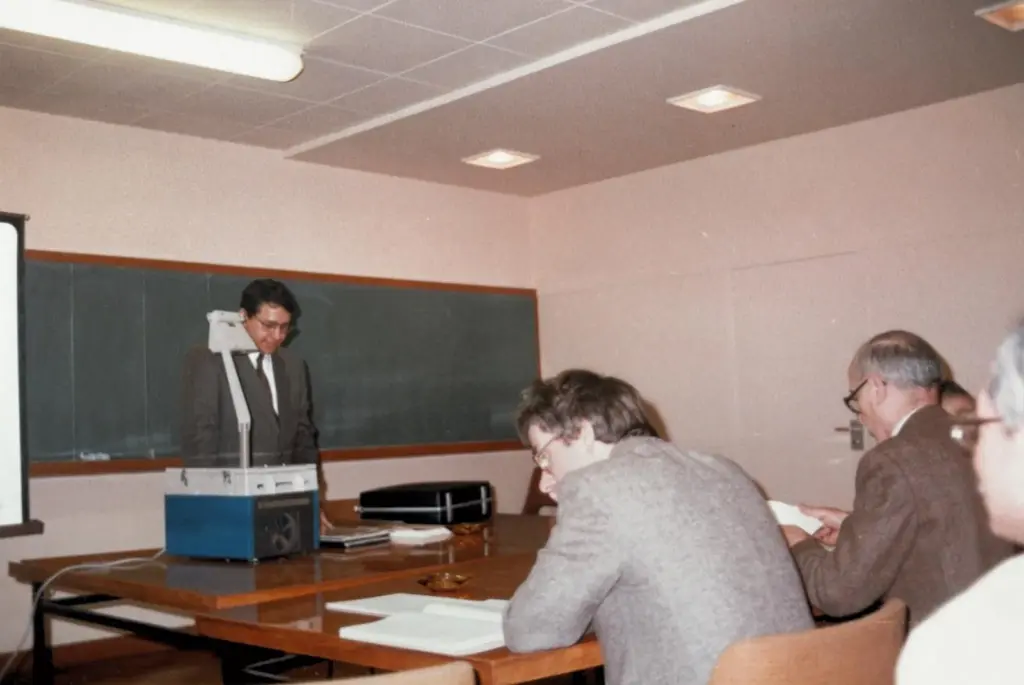
He studied civil and structural engineering in Iraq and later pursued advanced studies in France, earning his doctorate in engineering from the Sorbonne in 1985. His academic and professional development combined structural engineering, teaching, research, and practical involvement in major engineering and industrial projects.
Between 1987 and 1992, he held senior engineering responsibilities within the Iraqi Atomic Energy Organization, including serving as Head of the Design Authority. His work included the planning and structural design of major scientific and industrial facilities. Al Atheer was the principal center for weapon-design studies, materials research, and engineering testing within Iraq’s nuclear program. Project 100 was a separate external explosion laboratory within the program; it was not another name for Al Atheer.
His account of this period is presented as an engineering and historical testimony and reflects his clear opposition to nuclear weapons and to the political misuse of scientific knowledge.
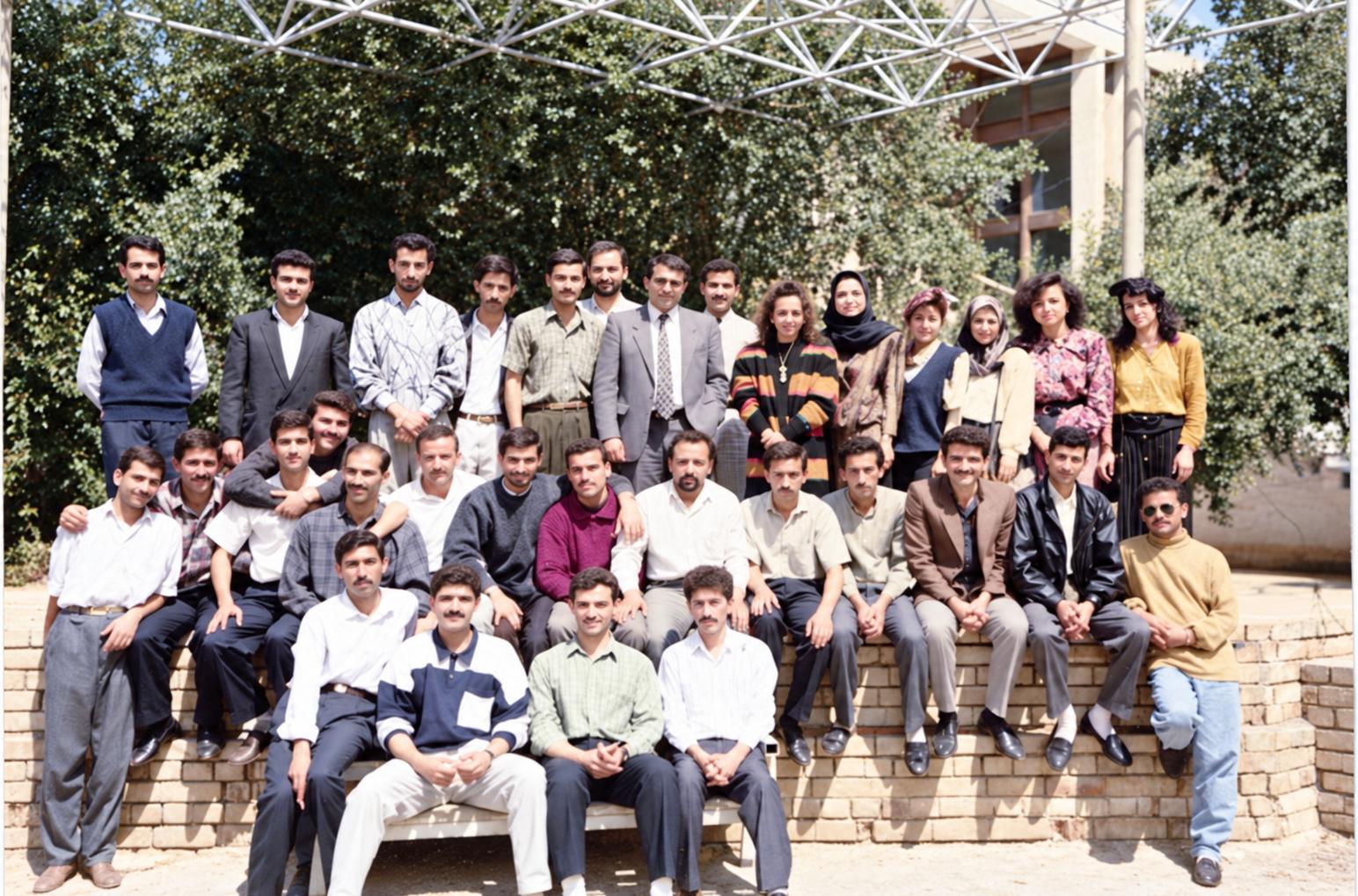
His professional career also included university teaching and regional planning and advisory work outside Iraq. These experiences broadened his understanding of the relationship between engineering, urban planning, institutions, and public administration.
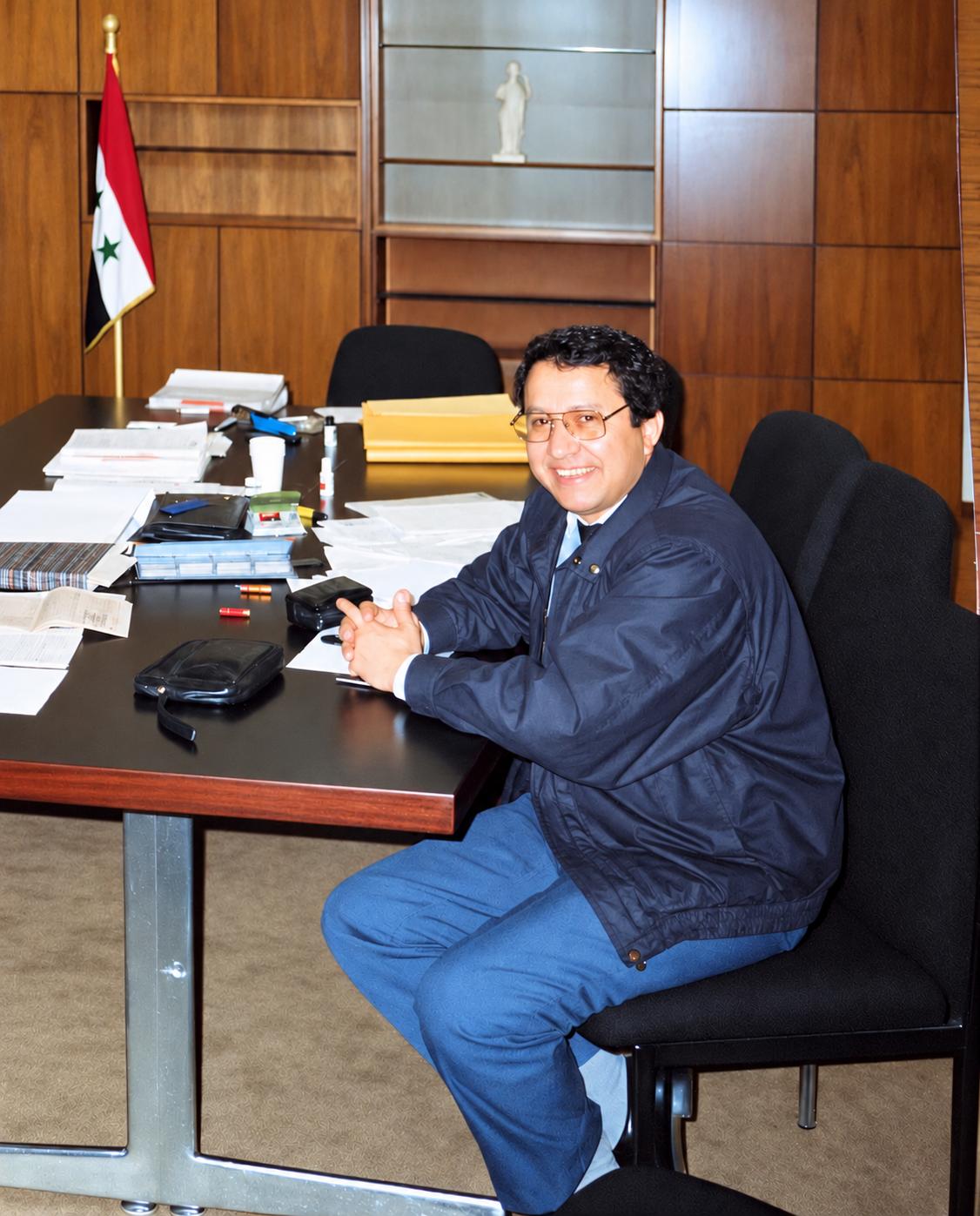
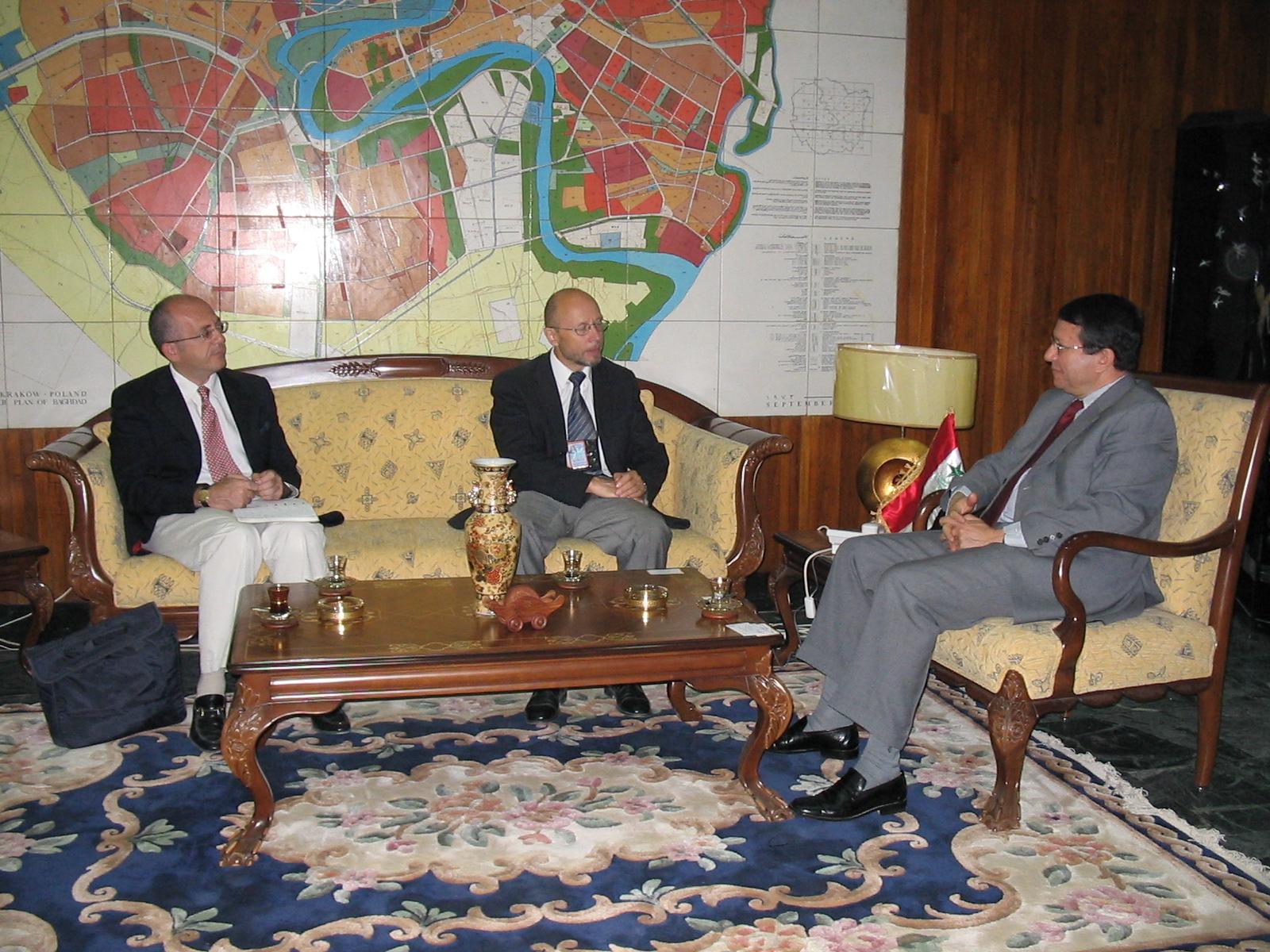
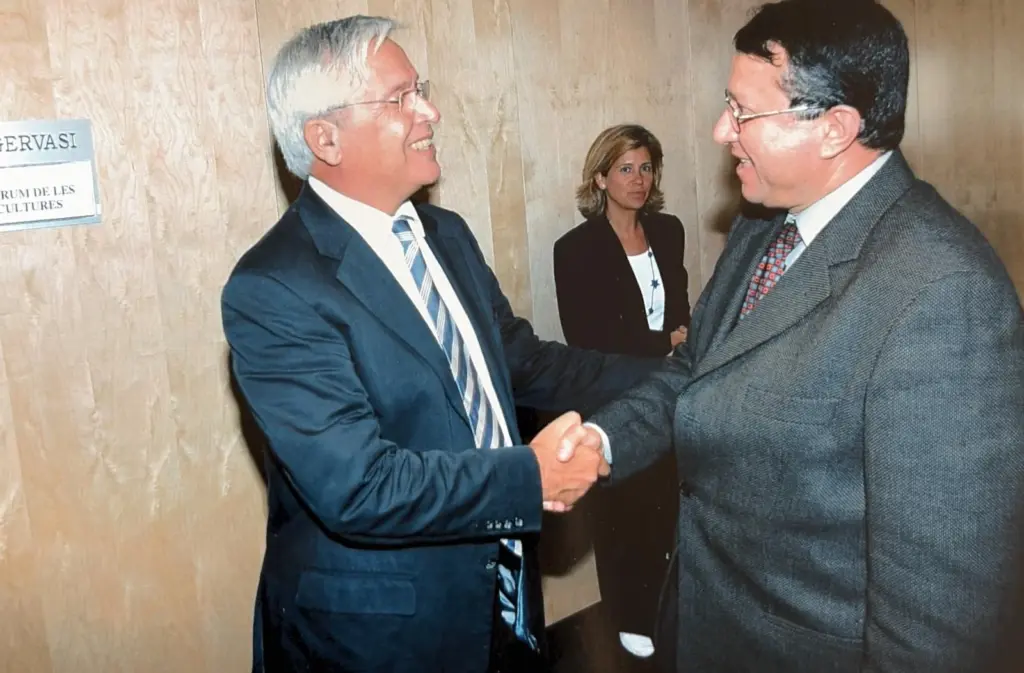
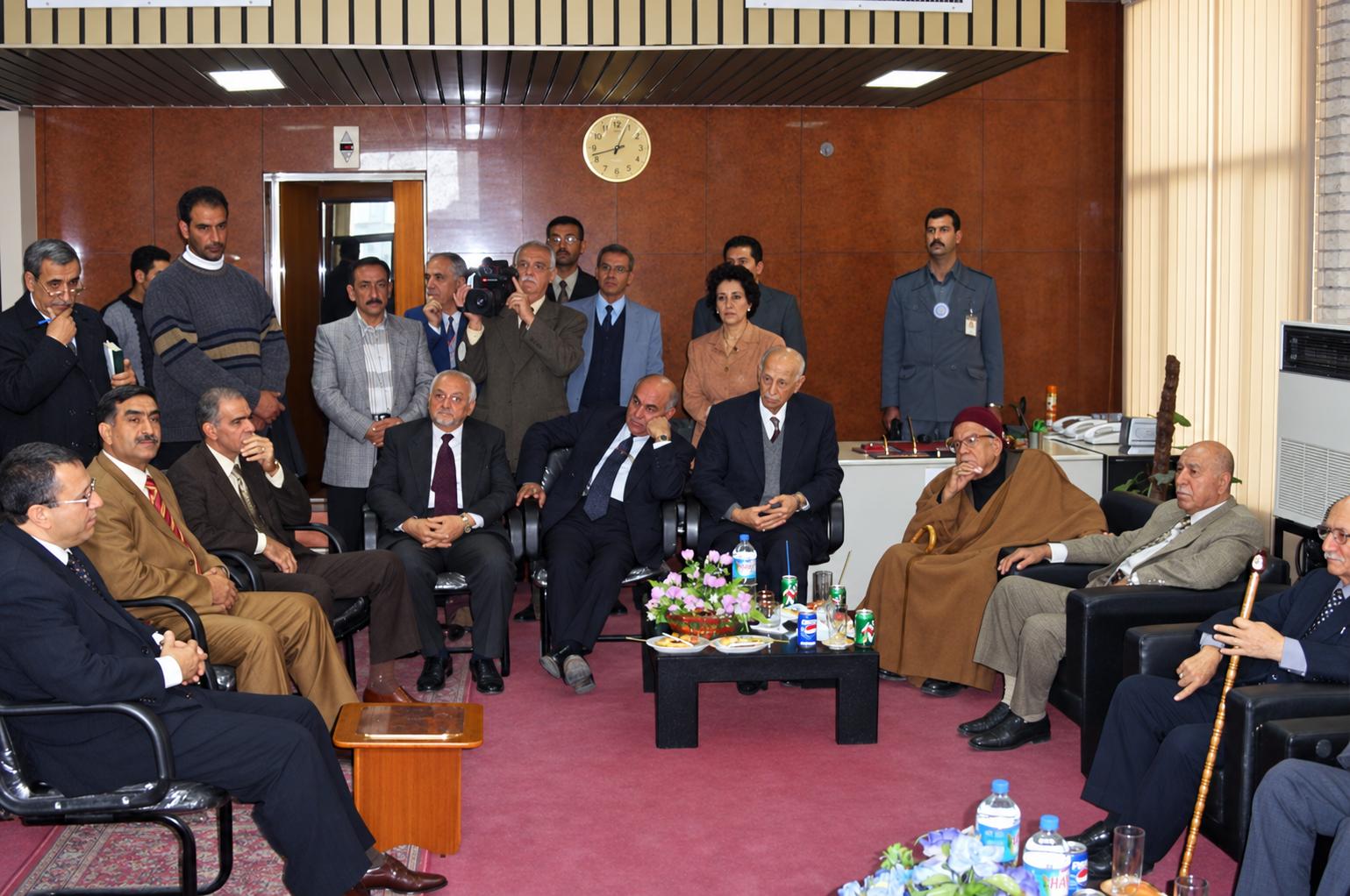
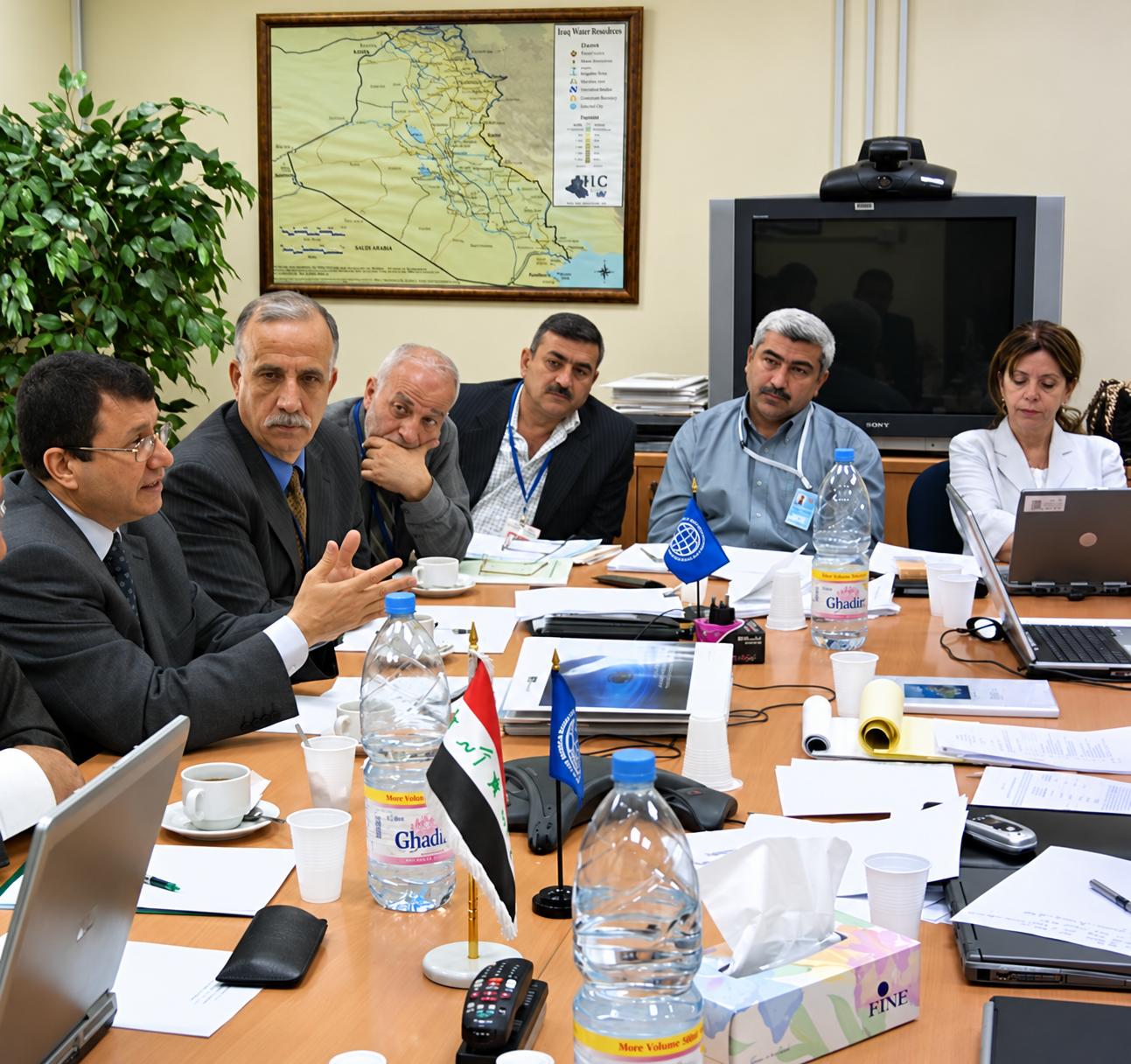
On 23 May 2004, Dr. Alaa Mahmoud Al Tamimi was elected Mayor (Amin) of Baghdad. He served during one of the most difficult periods in the city's modern history, when Baghdad faced damaged infrastructure, institutional instability, limited municipal resources, and severe security challenges.
His responsibilities covered municipal administration, reconstruction, public services, infrastructure, planning, and the protection of Baghdad's urban identity. His tenure ended in August 2005.
After settling in Canada, he founded Urban Reform Consultant Inc., through which he has continued his work in engineering, urban development, research, professional education, seminars, and continuing professional development.
Alongside his engineering and public-service career, Dr. Alaa Mahmoud Al Tamimi has developed an extensive body of writing in Arabic, English, and French. His books and essays explore Baghdad, cities and urban development, engineering, governance, history, memory, identity, and civic life.
His work is informed by direct professional experience while remaining independent and non-partisan.
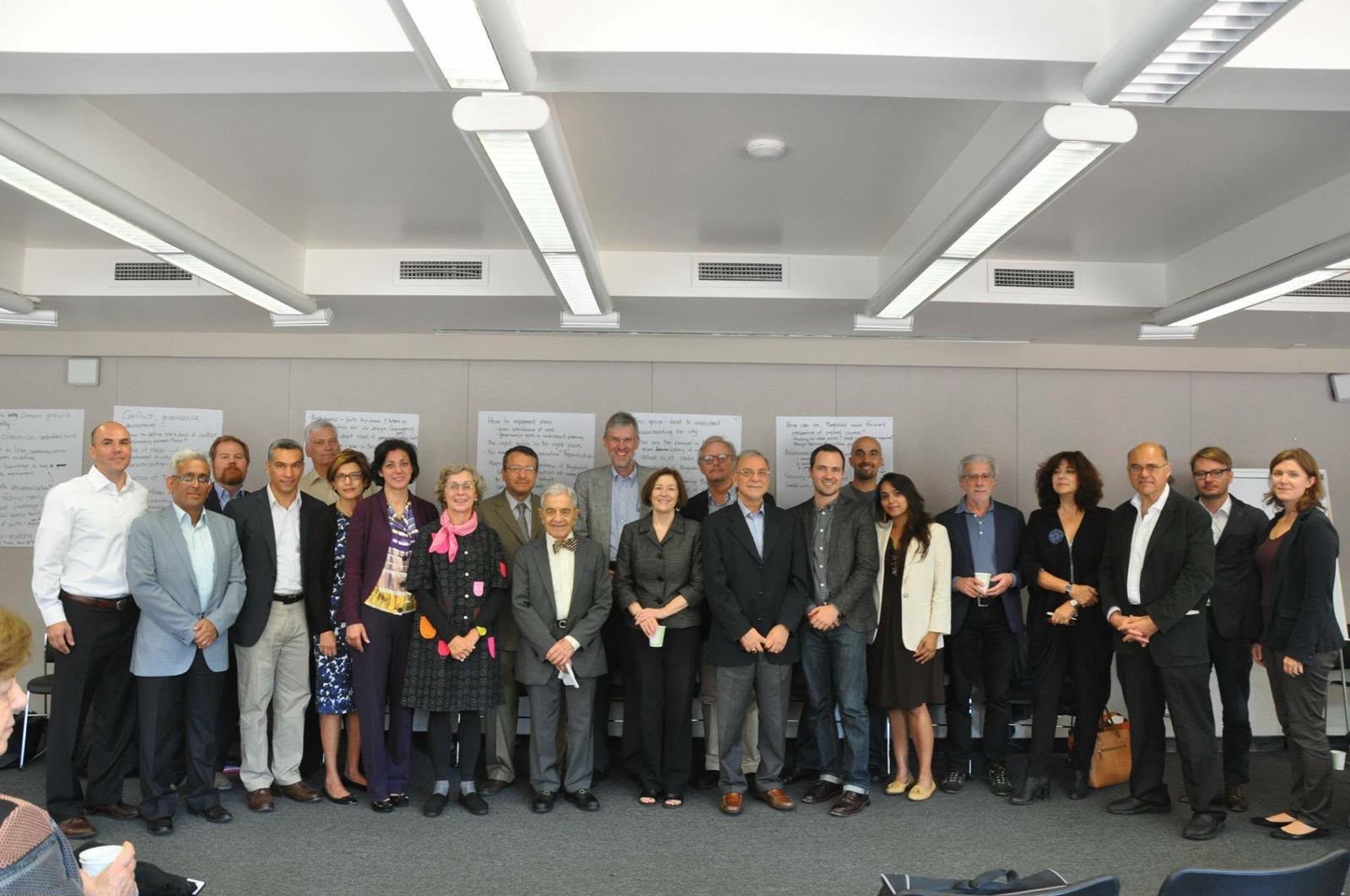
Today, his principal intellectual concern is how cities can move beyond technology alone, from the concept of the smart city toward the more humane and responsible idea of the wise city: a city that combines knowledge with ethics, efficiency with justice, and development with belonging.