Category: Thoughts and Urbanism

  • Baghdad: Memory of a City

    Baghdad: Memory of a City

    Baghdad – A Hymn to Eternity from the Cloak of History

    In the heart of geography, where legends lie beneath the soil of the Tigris and ancient alleys whisper the secrets of the ages, a city unlike any other arose. Baghdad did not emerge from nowhere; rather, it was built on the ruins of previous civilizations, a polished version of the memory of Mesopotamia.

    Before Abu Ja’far al-Mansur thought of founding it, the land was alive with memories of al-Mada’in, the Sassanid capital; the Ziggurat of Aqar Quf, which has towered over the sky for thousands of years; and the Iwan of Khosrau, which remains a testament to a time clinging to eternity.

    Baghdad… A City of Light and Planning

    When Caliph Abu Ja’far al-Mansur decided to establish his new capital, he chose a high site on the western bank of the Tigris River. This decision was not random; the area was surrounded by fertile agricultural villages irrigated by streams branching off the Euphrates and the Tigris, which flows northward from the Tigris. These lands produced abundant crops and were surrounded by farms on all sides, even the eastern side of the Tigris was prosperous with the waters of rivers and canals that irrigated its lands.
    Thus was born Baghdad, a city unlike any other. It was not just a new capital, but an integrated civilizational project. Al-Mansur intended it to be the center of the Islamic state, a symbol of power, organization, and progress.

    From its inception, Baghdad inherited the spirit of history and witnessed multiple urban phases, each leaving its own mark. Since Al-Mansur laid its foundations, the city has carried rare cultural and human features. It was not only the seat of the Caliphate, but also a cradle of learning, a center of translation, and a meeting place for thought and life.

    At the height of its glory, especially during the reign of Caliph Harun al-Rashid, Baghdad was mentioned in the tales of “One Thousand and One Nights” and was known for its scholars, philosophers, and poets, its markets, and the warmth of its gatherings. The city was not only a political capital, but a center of influence for the entire Islamic world.

    What distinguished Baghdad from its inception was its exceptional design. Al-Mansur chose a circular city, a unique idea rarely seen in the history of urban planning. Although some ancient cities in Mesopotamia, such as Hatra and Ctesiphon, were built with defensive circles, al-Mansur’s work here combined beauty and meticulous planning.

    The city’s outline was initially drawn with lines of ash, then oil-soaked cotton balls were lit along the wall in a symbolic ritual marking the beginning of construction. Engineers and workers then began digging the foundations, using bricks baked in the sun or fire, as stone was unavailable in the area.

    Under the leadership of al-Mansur and a group of engineers, the city was laid out as overlapping circles, starting with the defensive moat, then the two great walls, and reaching the great courtyard at the heart of the city. At its center was a massive square palace, 240 meters on each side, featuring a magnificent iwan topped by a towering green dome visible from afar.

    This palace was the seat of the Caliphate and a center of administration. Its interior was decorated with rare woods and exquisite gold engravings, earning it the nickname “The Golden Palace.”

    Al-Mansur did not neglect the city’s gates, creating four large gates, named according to the directions they led to: Bab al-Sham, Bab al-Kufa, Bab al-Basra, and Bab Khurasan. Above each gate was a dome, and each entrance was fortified with a massive iron gate that closed tightly.

    The streets within the city extended straight from each gate toward its center, like arteries pulsating in the heart of Baghdad, connected to its circular body in a wonderful harmony between concept and execution.

    When Al-Mansur laid out his city in 145 AH (762 AD), he was not establishing a fleeting capital, but rather creating a world. A circular world, with a center as its starting point and circles like the waves of a stone falling into a still lake.

    A city built not only with stone, but with imagination, with a delicate design that combined military acumen with the beauty of engineering. A palace in its heart, a green dome towering like an eternal star, and markets intertwining like a musical piece between Bab al-Sham and Bab al-Basra, between Kufa and Khurasan.

    But Baghdad, like a majestic woman, was not satisfied with what it was given. It expanded, expanded, and gave birth to Rusafa. There, on the other bank of the Tigris, al-Mahdi established his second city, as if Baghdad was gazing at itself from the opposite side, smiling at its own image in the river.

    Al-Karkh, too, that once marginal suburb, became another heart of the city. Markets were relocated there, and life seeped into its alleys, until it became a commercial center teeming with scholars, merchants, and jurists.

    During al-Rashid’s reign, Baghdad rose like a poem; bragging about the tales of the One Thousand and One Nights, brimming with the fragrance of gatherings, the warmth of manuscripts, and the echoes of poets. It would never sleep, only to wake up more beautiful.

    But glory is fragile. When Rashid was absent, the city fell into the trap of conflict between his two sons, Al-Amin and Al-Ma’mun. The siege of the Round City and its bombardment with catapults was not just a war; it heralded the beginning of cracks in Baghdad’s golden armor.

    With Al-Ma’mun, the city’s pulse moved to Rusafa, where the caliphate was established, along with councils, jurisprudence, debate, books, and the House of Wisdom. All of Baghdad was writing, translating, and debating… a city not just walking on the ground, but hovering on the shelves of its libraries.

    But that great light could not withstand the Mongol darkness. When Hulagu invaded the city in 1258, the Tigris was overflowing not just with water, but with ink and blood. Black and red rushed together in one wave, wiping out libraries, killing minds, and transforming Baghdad into a groan heard only by those who had known it before.

    For seven centuries after that, Baghdad continued to slumber and awaken under the weight of invaders: Tamerlane, the Persians, the Ottomans… but none of them were able to completely extinguish its flame. It was a city that was shrinking, but not dying; in decline, but not erased.

    Toward the end of the Ottoman era, the pens of European travelers came to document what remained. Niebuhr, Felix Johns, and others drew its map, counted its shops, and recorded its alleys. They saw it with roofed markets and narrow streets, yet still pulsating with a hidden spirit, like a flame that never goes out no matter how much dust gathers around it.

    Then came the governor, Midhat Pasha, and breathed some of the air of reform into the city. He established a municipality, a newspaper, schools, and a tramway. But he also tore its old garments when he ordered the demolition of parts of its wall, as if the city had begun to shed its skin with one hand and cling to it with the other.

    Until 1917, when Baghdad exploded from within, with Ottoman gunpowder destroying the “Talisman Gate”—the last remaining gate of Abbasid memory. It wasn’t just a door. It was an architectural talisman, engraved with a man and a dragon, and shrouded in its shadow were tales of villains and poets.

    That was the moment when General Maude entered Baghdad, carrying a flag in one hand and a new page of history in the other… a chapter written not in gold, but in occupation.

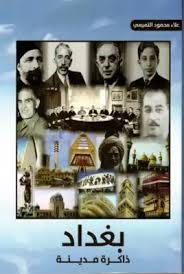
    *This text is part of a series of articles I publish periodically, inspired by chapters from my book “Baghdad: Memory of a City,” which explores the transformations of the Iraqi capital from its Abbasid origins to the period of major transformations in the twentieth century.

    Through this series, I aim to revive its forgotten landmarks and reconstruct its vibrant image as documented in texts and preserved in memory.

    For those interested in more details or to obtain a copy, please contact
  • Baghdad – Anthem of Immortality from the Cloak of History*

    Baghdad – Anthem of Immortality from the Cloak of History*

    In the heart of geography, where myths lie beneath the soil of the Tigris and ancient alleys whisper the secrets of ages, a city unlike any other was born. Baghdad did not emerge from nothingness—it was built upon the ruins of past civilizations, as if it were the polished version of Mesopotamia’s memory.

    Before Abu Jaafar al-Mansur conceived its foundation, the land pulsed with the remnants of Ctesiphon, the Sassanid capital; the ziggurat of Aqar Quf, which has gazed at the sky for millennia; and the Arch of Khosrow, still standing as a witness to an era clinging to immortality.

    When Caliph Abu Jaafar al-Mansur decided to establish his new capital, he chose an elevated site on the western bank of the Tigris. This decision was not arbitrary—the area was surrounded by fertile agricultural villages irrigated by canals branching from the Euphrates and the Dujail River, which drew its waters from the Tigris further north. These lands yielded abundant harvests, with farms stretching in every direction, even on the eastern side of the Tigris, which flourished with rivers and canals nourishing its soil.

    Thus, Baghdad was born—a city unlike any other. It was not merely a new capital but a comprehensive civilizational project. Al-Mansur envisioned it as the center of the Islamic state, a symbol of power, organization, and sophistication.

    From its inception, Baghdad inherited the spirit of history and witnessed multiple urban phases, each leaving its mark. Since al-Mansur laid its foundations, the city carried rare civilizational and human characteristics—it was not just the seat of the caliphate but also a cradle of knowledge, a hub for translation, and a meeting point for thought and life.

    At its peak, especially during the reign of Caliph Harun al-Rashid, Baghdad became the setting for tales from *One Thousand and One Nights*, renowned for its scholars, philosophers, poets, bustling markets, and the warmth of its gatherings. It was a political capital and a beacon for the entire Islamic world.

    A City of Exceptional Design

    What distinguished Baghdad from its birth was its extraordinary design. Al-Mansur chose a circular layout—a unique concept rarely seen in city-building history. Although some ancient Mesopotamian cities, like Hatra and Ctesiphon, had defensive circular walls, al-Mansur achieved a blend of beauty and meticulous planning.

    The city’s outline was drawn with lines of ash, then cotton balls soaked in oil were set ablaze along the perimeter in a symbolic ritual marking the start of construction. Engineers and workers then dug the foundations, using sun-dried or kiln-fired bricks, as stone was scarce in the region.

    Under al-Mansur’s leadership and a team of engineers, the city was designed as concentric circles, starting with a defensive moat, followed by two massive walls, leading to the grand courtyard at the city’s heart. At its center stood a colossal square palace, each side measuring 240 meters, featuring a majestic *iwan* (vaulted hall) crowned by a towering green dome visible from afar.

    This palace, known as the “Golden Palace,” served as the caliphate’s seat and administrative center. It was adorned inside with rare woods and dazzling golden engravings.

    Al-Mansur did not neglect the city’s gates—four grand entrances were built, each named after the regions they faced: Bab al-Sham (Gate of Damascus), Bab al-Kufa, Bab al-Basra, and Bab Khurasan. Each gate was topped with a dome and fortified with massive, locked iron doors.

    The streets inside the city radiated straight from each gate toward the center, like arteries pulsing through Baghdad’s heart, seamlessly connected to its circular body in a perfect harmony of vision and execution.

    A World, Not Just a City

    When al-Mansur designed his city in 145 AH (762 CE), he was not merely founding a transient capital—he was creating a world-rounded world with a central point like a beginning and circles like ripples from a stone cast into still waters.

    A city built not just of bricks, but of imagination. Of refined design that combined military prudence with architectural beauty. A palace at its heart, a green dome towering above like a permanent star, and markets intertwining like a musical composition between Bab al-Sham and Bab al-Basra, between Kufa and Khurasan.

    But Baghdad, like a majestic woman, was not content with what it was given. It expanded, giving birth to Rusafa. On the opposite bank of the Tigris, Caliph al-Mahdi established his second city, as if Baghdad were gazing at its reflection in the river and smiling.

    Al-Karkh, once a suburb, became another heart of the city. Markets were relocated there, life seeped into its alleys, and it became a commercial hub teeming with scholars, merchants, and jurists.

    During Harun al-Rashid’s reign, Baghdad rose like a poem, proud in the tales of *One Thousand and One Nights*, alive with the fragrance of gatherings, the warmth of manuscripts, and the echoes of poets. It was a city that never slept, only to awaken more beautiful.

    The Fragility of Glory

    But glory is fragile. When al-Rashid passed, the city fell into conflict between his sons, al-Amin and al-Ma’mun. The siege of the Round City, bombarded by catapults, was not just a war—it was the first crack in Baghdad’s golden armor.

    Under al-Ma’mun, the city’s pulse shifted to Rusafa, where the caliphate, its councils, jurisprudence, debates, books, and the House of Wisdom thrived. Baghdad became a city that wrote, translated, and debated—a town that did not walk on earth but soared on the shelves of its libraries.

    The Mongol Darkness

    Yet that great light could not withstand the Mongol darkness. When Hulagu invaded in 1258, the Tigris overflowed with water, ink, and blood. Black and red merged in a single wave, erasing libraries, slaughtering minds, and turning Baghdad into a lament heard only by those who had known it before.

    For seven centuries afterward, Baghdad slept and woke under the weight of invaders—Timur, the Persians, the Ottomans… Yet none could fully extinguish its flame. The city shrank but did not die. It retreated but was never erased.

    The Final Blows

    In the late Ottoman era, European travelers documented what remained. Niebuhr, Felix Jones, and others mapped its streets, counted its neighborhoods, and recorded its alleys. They saw a city with covered markets and narrow lanes, still pulsing with a hidden spirit—a flame that refused to die, no matter how much dust piled upon it.

    Then came Governor Midhat Pasha, breathing some reformist air into the city. He established a municipality, a newspaper, schools, and a tramway. But he also tore at its old fabric, ordering parts of its walls demolished, as if the city was shedding its skin with one hand while clinging to it with the other.

    Then came 1917. Baghdad exploded from within, as Ottoman gunpowder blew up the “Bab al-Talism”—the last remaining gate of Abbasid memory. It was not just a gate. It was an architectural talisman, carved with a man and a dragon, shrouded in the tales of rebels and poets.

    That was when General Maude entered Baghdad, holding a flag in one hand and a new chapter of history in the other—a chapter written not in gold, but in occupation.

    *This text is part of a series of articles I periodically present, inspired by chapters from my book titled **”Baghdad: Memory of a City,”** which explores the transformations of the Iraqi capital from its Abbasid founding to the significant shifts of the 20th century.

    Through this series, I aim to revive forgotten landmarks and reconstruct the city’s vibrant image as preserved in texts and memory.

    For those interested in further details or an electronic copy of the full book, I would be delighted to connect and send it with my utmost appreciation.*

  • Life Between Buildings:  Memory of places                    Dr.Alaa Al Tamimi

    Life Between Buildings: Memory of places Dr.Alaa Al Tamimi

    Amid the hustle and bustle of cities and their towering buildings, Danish architect Jan Gehl whispers an elusive truth: “The soul of a city lies not in the stones of its buildings, but in the spaces that breathe between them.” In his famous book, Life Between Buildings: Using Public Space, Gehl turns the standard upside down, asserting that the beauty of urbanism lies not in the immensity of its towers, but in the warmth of its squares, the liveliness of its sidewalks, and the richness of the fleeting encounters that create the memory of a place.

    Let us delve with Gehl’s thoughts into the labyrinths of two ancient Arab cities: Baghdad, with its markets that once sang of stories, and Cairo, whose streets encapsulate a living, breathing history.

    What does life between these buildings look like today? And can public space still be a stage for human encounters? From the pulse of life to the silence of contraction, Baghdad was once a canvas of color and bustle, with cafes brimming with conversation, markets where hands intertwined, and squares telling stories of yesteryear. But war and violence transformed this space into a space fragmented by concrete barriers and fear during a crucial period in Baghdad’s history following the occupation in 2023. Later, public spaces disappeared in favor of traffic jams and slums. The city, once a magnet for walking and contemplation, now heralds haste and retreat.

    Cairo, on the other hand, tells a different story of contradiction: a historic city with a vibrant heart, surrounded by new, soulless neighborhoods. Narrow sidewalks force pedestrians to herd like a herd, and public parks are either neglected or enclosed by walls. Even the popular cafes, once a meeting place for small dreams, are fading in the face of the rise of enclosed malls, where socializing is transformed into consumption and public space into a private commodity.

    In his book “Life Between Buildings,” Jan Gehl divides city life into three categories:

    – Necessary, such as going to work or shopping.

    – Optional, such as sitting in a café for pleasure.

    – Social, those spontaneous encounters that create a community.

    In Baghdad and Cairo, only essential activities remain, while activities that stir emotions and foster belonging have declined. Why? Because urban design no longer welcomes people, forcing them to hide behind the windows of their cars or the walls of their homes.

    Public space is a mirror of society. What do we see in Baghdad and Cairo?

    In his book “Cities for People,” Gehl proposes a simple solution:

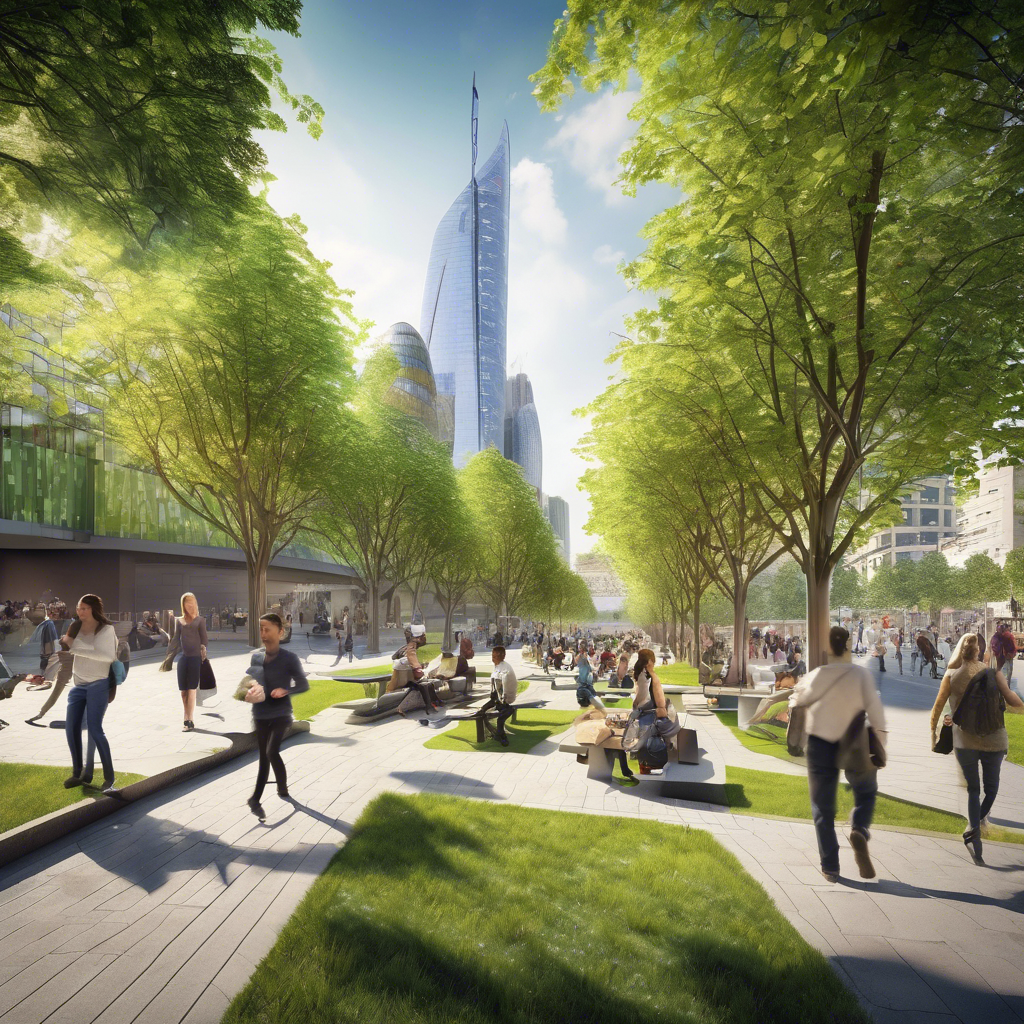
    – Wide sidewalks that allow for fearless strolling.

    – Benches under the shade of trees, where strangers can meet their neighbors.

    – Small green spaces between buildings.

    It is these small details that restore the city’s humanity. Perhaps simple sidewalk cafes or safe pedestrian walkways are enough to bring life back to the streets.

    The lesson Jan Gehl teaches in his books *Life Between Buildings* and *Cities for People* is clear: a successful city is not a collection of buildings, but rather the memories made daily in their corners. Baghdad and Cairo have a history of vibrant urbanism, but it needs to be rediscovered. What’s needed isn’t new skyscrapers, but rather the revival of those spaces **where a child can play, two neighbors can share a cup of tea, or an idea can be born from a passing encounter**. Will we listen to Gehl’s voice, or will we continue to build cities that are more inanimate than alive?

  • From the City as Authority to the City as Idea

    From the City as Authority to the City as Idea

    Deep in history, when man drew the first circle of stones to define the boundaries of his shelter, and raised mud walls to protect himself from the wind, urbanism was born not merely as an engineering act, but as a silent translation of his thoughts, his fears, his authority, and his concept of himself and the world.

    When man laid the first stone, he was not merely building a roof; he was declaring his presence in the face of infinite space. Even Bedouin tents, despite their mobility, established “movable boundaries” of identity, as if to say: I am here even if I leave tomorrow.

    The city is not a series of buildings or intersecting streets; it is a living reflection of a thought process. In every stone and window, in every empty space and square, we find the trace of a mind that chose to organize space according to its vision: religious, political, economic, or aesthetic. From Athens, sculpted in the shadow of philosophy, to Baghdad, born with a circular architecture under the umbrella of knowledge and the Caliphate, passing through Haussmann’s Paris and Lucio Costa’s Brasilia, the city appears like an open book, in which we read the nature of nations and trace the transformations of collective thought from the sacred to the rational, from the individual to the public.

    In the “Paths of Thought and Urbanism” section, we will not only read maps, but also what lies beyond them; we will not follow the asphalt lines, but rather walk the paths of thought that drew them.

    We will discuss several topics in this section:

    • What is the relationship between the architectural idea and the structure of consciousness?

    • How are cities built under tyranny? And how are they demolished under the banners of grand slogans?

    • Is it possible for a city to exist that is subject only to the measure of “humanity” and its dignity? This is an invitation to contemplate the paths of urbanism, not as buildings, but as a mirror of reason; and to deconstruct the paths of thought, not as statements, but as forces that have shaped our cities… and perhaps imprisoned us within them.

    In conclusion: Urbanism is humanity’s first homeland, before the political homeland is born. Every stone laid is an answer to the existential question: How do I stand in a world that only wants me as a transient? Perhaps this is why it was said: “Man does not dwell, but rather teaches himself to dwell” — meaning that architecture is a philosophical act before it is engineering.